Blind taste test of soft-drinks – a comparison study on coke and pepsi
Blind Taste Test of Soft-drinks – A Comparison Study on Coke and PBrand equity is “The differential effect that brand knowledge has on consumer response to the marketing of that brand” (Keller-1993).Brand equity is the added value a product acquires as a result of past investments in the marketing activity for the brand.This marketing activity resides in the mind of customers and as a result customer shapes a perception about the brand, biggest challenge here is creating positive perceptions by ensuring that customers have right type of experiences with product so that both functional experiences as well as emotional experiences become associated with the product.Thus Brand perception is the imagewhich a brand creates in the mind of the customers due to the various associations linked with the brand. The simplest way tounderstand what brand equity is to understand the typical results of product sampling and comparison tests. One such test is blind taste test in which consumers sample a product without knowing the brand what they consume and consuming the same product knowing brand i.e., open test. When consumers report different opinions about branded and unbranded versions of identical products, it must be the case that knowledge about the brand has changed their perceptions. Thus, consumers’ perceptions of product performance are highly dependent on their impressions of the brand that goes along with it Pepsi
3. a cross sectional study to determine the prevalence of premenstrual syndrome and effect of jaggery tea to combat the premenstrual symptoms on students of al –ameen medical college, vijayapur.
The prevalence of PMS (prevalence of pre most common disorder among the women’s. It has high impact on women’s health, emotions and behaviours during certain days of menstrual cycle. Aim: To determine the symptoms of PMS. Material and methods: PMS.The sampling frame is comprised individual aged 18 was used. Then respondents were given information regarding benefits of jaggery tea consumption to over PMS. Preparation of jaggery tea: add the one cup of water for boiling, and then add the requirement amount jaggery. Add filter to discard the solids. Study subjects were asked to consume jaggery tea five days prior and after the date of menstrual cycle continuously for 3 months. Study subjects were ask premenstrual syndrome screening toll before and after jaggery tea consumption. The data was analysed using descriptive statistics and effect of jaggery tea was evaluated using paired t Result: from PMS, 120(61.5%) of them had mild PMS, 55(28.2%) had moderate PMS and only few 20(10.3%) of then had sever PMS. Conclusion: role in curing PMS
 Shwetha hitnal
Sorting of human mesenchymal stem cells by applying optimally designed microfluidic chip filtration
Human bone marrow-derived mesenchymal stem cells (hMSCs) consist of heterogeneous subpopulations with different multipotent properties: small and large cells with high and low multipotency, respectively. Accordingly, sorting out a target subpopulation from the others is very important to increase the effectiveness of cell-based therapy. We performed flow-based sorting of hMSCs by using optimally designed microfluidic chips based on the hydrodynamic filtration (HDF) principle. The chip was designed with the parameters rigorously determined by the complete analysis of laminar flow for flow fraction and complicated networks of main and multi-branched channels for hMSCs sorting into three subpopulations: small (<25>40 μm) cells. By focusing with a proper ratio between main and side flows, cells migrate toward the sidewall due to a virtual boundary of fluid layers and enter the branch channels. This opens the possibility of sorting stem cells rapidly without damage. Over 86% recovery was achieved for each population of cells with complete purity in small cells, but the sorting efficiency of cells is slightly lower than that of rigid model particles, due to the effect of cell deformation. Finally, we confirmed that our method could successfully fractionate the three subpopulations of hMSCs by analyzing the surface marker expressions of cells from each outlet.
Emotional intelligence among women employees of private sector banks, while working from home in coimbatore city
Women are multi taskers in their lives- mother, wife, daughter, sister and a lot more. And hence are exposed to a lot of emotions. A working woman is exposed to many other more roles- boss, subordinates. A working woman has to develop skills of self awareness, self management, be motivated, feelings of optimism, positivity and internality, empathy and social skills (collectively called as emotional intelligence) to perform her multiple roles, both at home and at, work place efficiently so as to meet the expectations of both the family members and their organization. Current study focuses on investigating the influence of demographic factors on the level of emotional intelligence among the respondents in Coimbatore city. These factors tested against being determined by their age, job profile, marital status.
 Nandini
Exploring globally used antiurolithiatic plants of s to z families: including saxifragaceae, scrophulariaceae, solanaceae, urticaceae, vitaceae, zingiberaceae and zygophyllaceae
Urolithiasis is a common worldwide problem with high recurrence. This review covers twenty-three (23) families starting from alphabet S to Z. It includes Solanaceae (12); Zingiberaceae (09); Scrophulariaceae and Urticaceae (08); Verbenaceae (07); Ulmaceae, Valerianaceae and Vitaceae (05); Zygophyllaceae. (04); Sapotaceae, Saxifragaceae and Typhaceae (03); Smilacaceae (02); Salicaceae, Salvadoraceae, Santalaceae, Simaroubaceae, Tamaricaceae, Tiliaceae, Theaceae, Tropaeolaceae, Violaceae and Xanthorrhoeaceae (01) plant used globally in different countries. Hopefully, this review will be helpful for the general public and attract the scientific world for antiurolithiatic drug discovery.
 Dr. salman ahmed
Tithonia diversifolia (hemsl.) a. gray: ethnopharmacology, biological and phytochemical investigation
The purpose of the presented monograph is to provide scientific information on the botanical features, traditional uses, active or major chemical constituents and pharmacology of Tithonia diversifolia. Studies on purified principles, mechanism of action and structure-activity relationship are relatively few and warrant further attention as traditional literature assures Tithonia diversifolia for the discovery of novel therapeutic agent(s). The safety, efficacy, quality control/quality assurance, clinical applications, contraindications, warnings, precautions, potential adverse reactions, and posology is not the part as very little data is available regarding the discussed plant. However, it helps in facilitating information exchange among practitioners Of orthodox and traditional medicine, pharmacists, and other health professionals, manufacturers of herbal products and research scientists and assist in developing their monographs or formularies.
E-resources utilisation pattern among the faculty of kempegowda institute of medical sciences, bangalore: a study
This paper examines the utilisation pattern of e-resources by faculty of the Kempegowda Institute of Medical Sciences (KIMS) Bangalore. The purpose of the study is to understand the utilisation pattern of E-resources and frequency of access to the internet by the faculty members of KIMS. The faculty members of health science universities and/or medical colleges are engaged in teaching, research, and their information needs and expectations are diverse and varied. Realising the importance and usefulness of the E-resources, most of the colleges in India and elsewhere generously invested in procuring and create access to eresources to support information needs, teaching, learning, and research studies. The paper highlights the usage of different types of e-resources in health sciences, and also the application of web browsers and search engines in this context by the faculty members of KIMS. The levels of satisfaction among faculty members of KIMS towards the E-resources and barriers in using E-resources have been identified in this study.
Variables affecting academic procrastination among nursing students
Background: The deliberate postponement of significant academic assignments with due dates is known as academic procrastination. The undesirable habit known as procrastination is the inability to start or finish a task within the allotted time, which results in detrimental effects on students' future employment, as well as stress, guilt, poor academic achievement, and low self-esteem. Method: Descriptive Research design was adopted for a study to assess the Variables influencing Nursing students' Academic Procrastination at selected Nursing college of Bhopal, M.P. Sample size 60 B.Sc. Nursing students. Result: Result revealed that majority of students were females, 27 out of 60 were in age group of 20-21yeras, 25 (41.6%) were studying in B.Sc. N 3rd year. Most of students resided in Rural area (36), 54 out of 60 belong to nuclear family and 35 mothers of students were educated as compared to 51 fathers. The mean score and SD of influencing variables of academic procrastination were as follows Personal variable was 2.6 ± 0.48, Environmental 2.26 ± 0.71, and Academic was 1.78 ± 0.41. Majority of nursing students 39 (65%) were moderately affected by Personal variables, Environmental variables affected 23 (38%) students moderately and academic variables affected 17 (28%) students moderately. Only Personal factor had more effect on 5 students as compared to none in other two variables. Conclusion: The study concluded that Environmental and personal factor had more effect on Academic procrastination as compared to academic variables.
 Dr k c yadav
Comparison of branded and non-branded food samples widely consumed in north india with reference to trans fatty acid content
Trans fatty acids (TFA) are the geometrical isomers of monounsaturated and polyunsaturated fatty acids that affect the functional and physicochemical properties of these fatty acids, which in turn affect their metabolism in humans. Since the database available for trans fatty acids in food from India is scarce, the research report generates data about trans fatty acid content in selected foods popular in north India. In this report, various food samples like cookies, chocolates, biscuits, pizza, fries, indigenous snacks like samosa, pakora and indigenous sweets like jalebi, gulab jamun, and laddoo were analyzed for the Trans Fatty Acid (TFA) content by gas chromatography. A large variation was found in trans fatty acid content among these food samples. The results also showed that only 4.5% of the samples were found to contain TFA less than 0.5% while approximately 8% of samples having more than 5% TFA (1 branded and 6 non-branded samples). Also, a large variation was found in the trans fatty acid content of branded and non-branded food samples with the mean value of TFA in branded and non-branded food groups as 1.781 and 6.125 respectively and the t-value of 0.852 between the two groups. When regulations are emphasizing on labelling the TFA content on the product, there are arrays of unlabelled products which are not governed under any regulations. Hence there is a need for strong food regulations to bring levels of trans fats in processed foods to negligible levels.
 Shalini purwar
Speech stress analysis based on lie detector for loyalty test
Human being has lot of virtual mask in their behaviour (mind or brain). By the way of probability study alone, be able to find a person’s loyalty through their emotions, stress of speech, way of expressions and so on. It is not a novel technique to this world. The judgement and the hearings are finalizing in accordance to passed parameters (questions, transparent as well hidden test) and the result. Artificial Neural Network (ANN) is one of the best methods meant for speech stress analysing based cheap lie detection for the loyalty test. To show the results, polygraph is a comprehensible demonstration oriented approach. These methods are already used by the insurance fraud investigations and police. Through an individual’s stress (stress percentage or else range) voice as well their emotions are able to detect the loyalty. Lie detection techniques require being extremely confidential and dynamic. For the reason that voice stress analysis (VSA) parameters have to be an encrypted for avoiding speech practise with testing tool. Here this paper, outlooks by using for predicting the liars through Speech VSA.
 Dr h shaheen
Assessing nutritional needs of oncology patients undergoing chemotherapy at bhagwan mahaveer cancer hospital & research centre, jaipur: development of an educational booklet
Background: Cancer is the word used for a tumor that spreads & destroys the host and is one of the leading causes of morbidity and mortality in developed and developing countries. Good nutrition is important for good health. Methods: Non-experimental descriptive research design was adopted for a study to assess knowledge on meeting nutritional needs among 100 oncology patients receiving chemotherapy at Bhagwan Mahaveer Cancer Hospital & Research Centre, Jaipur. Sample selection using a non-probability convenient sampling technique. Data were collected through a self-developed structured knowledge questionnaire. Results: Our results revealed that the majority of cancer patients, 43%, were in the age group of 31-40 years, 39% had no formal education, 32% had secondary education, and 17% had primary education. 76% were males, 24% were female, and 87% of participants did not have a family history of cancer. 55.23% of patients reported that nurses did counselling. The majority (67%) of respondents reported that they had previous information on meeting nutritional needs through diet counselling, and 33% reported they didn’t have any information about meeting nutritional needs. Most (45%) of cancer patients had poor knowledge, 26% had average knowledge, and 29% had good knowledge scoring. Conclusion:Conclusion:Conclusion:Conclusion:Conclusion:Conclusion:Conclusion:Conclusion:Conclusion:Conclusion:Conclusion: We concluded that results show most (45%) of oncology patients receiving chemotherapy had poor knowledge We concluded that results show most (45%) of oncology patients receiving chemotherapy had poor knowledge We concluded that results show most (45%) of oncology patients receiving chemotherapy had poor knowledge We concluded that results show most (45%) of oncology patients receiving chemotherapy had poor knowledge We concluded that results show most (45%) of oncology patients receiving chemotherapy had poor knowledge We concluded that results show most (45%) of oncology patients receiving chemotherapy had poor knowledge We concluded that results show most (45%) of oncology patients receiving chemotherapy had poor knowledge We concluded that results show most (45%) of oncology patients receiving chemotherapy had poor knowledge We concluded that results show most (45%) of oncology patients receiving chemotherapy had poor knowledge We concluded that results show most (45%) of oncology patients receiving chemotherapy had poor knowledge We concluded that results show most (45%) of oncology patients receiving chemotherapy had poor knowledge We concluded that results show most (45%) of oncology patients receiving chemotherapy had poor knowledge We concluded that results show most (45%) of oncology patients receiving chemotherapy had poor knowledge We concluded that results show most (45%) of oncology patients receiving chemotherapy had poor knowledge We concluded that results show most (45%) of oncology patients receiving chemotherapy had poor knowledge We concluded that results show most (45%) of oncology patients receiving chemotherapy had poor knowledge We concluded that results show most (45%) of oncology patients receiving chemotherapy had poor knowledge We concluded that results show most (45%) of oncology patients receiving chemotherapy had poor knowledge We concluded that results show most (45%) of oncology patients receiving chemotherapy had poor knowledge We concluded that results show most (45%) of oncology patients receiving chemotherapy had poor knowledge We concluded that results show most (45%) of oncology patients receiving chemotherapy had poor knowledge We concluded that results show most (45%) of oncology patients receiving chemotherapy had poor knowledge We concluded that results show most (45%) of oncology patients receiving chemotherapy had poor knowledge We concluded that results show most (45%) of oncology patients receiving chemotherapy had poor knowledge We concluded that results show most (45%) of oncology patients receiving chemotherapy had poor knowledge We concluded that results show most (45%) of oncology patients receiving chemotherapy had poor knowledge We concluded that results show most (45%) of oncology patients receiving chemotherapy had poor knowledge We concluded that results show most (45%) of oncology patients receiving chemotherapy had poor knowledge We concluded that results show most (45%) of oncology patients receiving chemotherapy had poor knowledge We concluded that results show most (45%) of oncology patients receiving chemotherapy had poor knowledge We concluded that results show most (45%) of oncology patients receiving chemotherapy had poor knowledge We concluded that results show most (45%) of oncology patients receiving chemotherapy had poor knowledge We concluded that results show most (45%) of oncology patients receiving chemotherapy had poor knowledge We concluded that results show most (45%) of oncology patients receiving chemotherapy had poor knowledge We concluded that results show most (45%) of oncology patients receiving chemotherapy had poor knowledge We concluded that results show most (45%) of oncology patients receiving chemotherapy had poor knowledge We concluded that results show most (45%) of oncology patients receiving chemotherapy had poor knowledge We concluded that results show most (45%) of oncology patients receiving chemotherapy had poor knowledge We concluded that results show most (45%) of oncology patients receiving chemotherapy had poor knowledge We concluded that results show most (45%) of oncology patients receiving chemotherapy had poor knowledge We concluded that results show most (45%) of oncology patients receiving chemotherapy had poor knowledge We concluded that results show most (45%) of oncology patients receiving chemotherapy had poor knowledge We concluded that results show most (45%) of oncology patients receiving chemotherapy had poor knowledge We concluded that results show most (45%) of oncology patients receiving chemotherapy had poor knowledge We concluded that results show most (45%) of oncology patients receiving chemotherapy had poor knowledge We concluded that results show most (45%) of oncology patients receiving chemotherapy had poor knowledge We concluded that results show most (45%) of oncology patients receiving chemotherapy had poor knowledge We concluded that results show most (45%) of oncology patients receiving chemotherapy had poor knowledge We concluded that results show most (45%) of oncology patients receiving chemotherapy had poor knowledge We concluded that results show most (45%) of oncology patients receiving chemotherapy had poor knowledge We concluded that results show most (45%) of oncology patients receiving chemotherapy had poor knowledge We concluded that results show most (45%) of oncology patients receiving chemotherapy had poor knowledge We concluded that results show most (45%) of oncology patients receiving chemotherapy had poor knowledge We concluded that results show most (45%) of oncology patients receiving chemotherapy had poor knowledge We concluded that results show most (45%) of oncology patients receiving chemotherapy had poor knowledge We concluded that results show most (45%) of oncology patients receiving chemotherapy had poor knowledge We concluded that results show most (45%) of oncology patients receiving chemotherapy had poor knowledge We concluded that results show most (45%) of oncology patients receiving chemotherapy had poor knowledge We concluded that results show most (45%) of oncology patients receiving chemotherapy had poor knowledge We concluded that results show most (45%) of oncology patients receiving chemotherapy had poor knowledge We concluded that results show most (45%) of oncology patients receiving chemotherapy had poor knowledge We concluded that results show most (45%) of oncology patients receiving chemotherapy had poor knowledge We concluded that results show most (45%) of oncology patients receiving chemotherapy had poor knowledge We concluded that results show most (45%) of oncology patients receiving chemotherapy had poor knowledge We concluded that results show most (45%) of oncology patients receiving chemotherapy had poor knowledge We concluded that results show most (45%) of oncology patients receiving chemotherapy had poor knowledge We concluded that results show most (45%) of oncology patients receiving chemotherapy had poor knowledge We concluded that results show most (45%) of oncology patients receiving chemotherapy had poor knowledge We concluded that results show most (45%) of oncology patients receiving chemotherapy had poor knowledge We concluded that results show most (45%) of oncology patients receiving chemotherapy had poor knowledge We concluded that results show most (45%) of oncology patients receiving chemotherapy had poor knowledge We concluded that results show most (45%) of oncology patients receiving chemotherapy had poor knowledge We concluded that results show most (45%) of oncology patients receiving chemotherapy had poor knowledge We concluded that results show most (45%) of oncology patients receiving chemotherapy had poor knowledge We concluded that results show most (45%) of oncology patients receiving chemotherapy had poor knowledge We concluded that results show most (45%) of oncology patients receiving chemotherapy had poor knowledge We concluded that results show most (45%) of oncology patients receiving chemotherapy had poor knowledge We concluded that results show most (45%) of oncology patients receiving chemotherapy had poor knowledge We concluded that results show most (45%) of oncology patients receiving chemotherapy had poor knowledge We concluded that results show most (45%) of oncology patients receiving chemotherapy had poor knowledge We concluded that results show most (45%) of oncology patients receiving chemotherapy had poor knowledge We concluded that results show most (45%) of oncology patients receiving chemotherapy had poor knowledge We concluded that results show most (45%) of oncology patients receiving chemotherapy had poor knowledge We concluded that results show most (45%) of oncology patients receiving chemotherapy had poor knowledge We concluded that results show most (45%) of oncology patients receiving chemotherapy had poor knowledge meeting nutritionmeeting nutrition meeting nutrition meeting nutrition meeting nutritionmeeting nutrition meeting nutrition meeting nutritionmeeting nutritionmeeting nutritionmeeting nutritionmeeting nutritional needs during chemotherapy. However, the researcher developed an information booklet, and he hopes that al needs during chemotherapy. However, the researcher developed an information booklet, and he hopes that al needs during chemotherapy. However, the researcher developed an information booklet, and he hopes that al needs during chemotherapy. However, the researcher developed an information booklet, and he hopes that al needs during chemotherapy. However, the researcher developed an information booklet, and he hopes that al needs during chemotherapy. However, the researcher developed an information booklet, and he hopes that al needs during chemotherapy. However, the researcher developed an information booklet, and he hopes that al needs during chemotherapy. However, the researcher developed an information booklet, and he hopes that al needs during chemotherapy. However, the researcher developed an information booklet, and he hopes that al needs during chemotherapy. However, the researcher developed an information booklet, and he hopes that al needs during chemotherapy. However, the researcher developed an information booklet, and he hopes that al needs during chemotherapy. However, the researcher developed an information booklet, and he hopes that al needs during chemotherapy. However, the researcher developed an information booklet, and he hopes that al needs during chemotherapy. However, the researcher developed an information booklet, and he hopes that al needs during chemotherapy. However, the researcher developed an information booklet, and he hopes that al needs during chemotherapy. However, the researcher developed an information booklet, and he hopes that al needs during chemotherapy. However, the researcher developed an information booklet, and he hopes that al needs during chemotherapy. However, the researcher developed an information booklet, and he hopes that al needs during chemotherapy. However, the researcher developed an information booklet, and he hopes that al needs during chemotherapy. However, the researcher developed an information booklet, and he hopes that al needs during chemotherapy. However, the researcher developed an information booklet, and he hopes that al needs during chemotherapy. However, the researcher developed an information booklet, and he hopes that al needs during chemotherapy. However, the researcher developed an information booklet, and he hopes that al needs during chemotherapy. However, the researcher developed an information booklet, and he hopes that al needs during chemotherapy. However, the researcher developed an information booklet, and he hopes that al needs during chemotherapy. However, the researcher developed an information booklet, and he hopes that al needs during chemotherapy. However, the researcher developed an information booklet, and he hopes that al needs during chemotherapy. However, the researcher developed an information booklet, and he hopes that al needs during chemotherapy. However, the researcher developed an information booklet, and he hopes that al needs during chemotherapy. However, the researcher developed an information booklet, and he hopes that al needs during chemotherapy. However, the researcher developed an information booklet, and he hopes that al needs during chemotherapy. However, the researcher developed an information booklet, and he hopes that al needs during chemotherapy. However, the researcher developed an information booklet, and he hopes that al needs during chemotherapy. However, the researcher developed an information booklet, and he hopes that al needs during chemotherapy. However, the researcher developed an information booklet, and he hopes that al needs during chemotherapy. However, the researcher developed an information booklet, and he hopes that al needs during chemotherapy. However, the researcher developed an information booklet, and he hopes that al needs during chemotherapy. However, the researcher developed an information booklet, and he hopes that al needs during chemotherapy. However, the researcher developed an information booklet, and he hopes that al needs during chemotherapy. However, the researcher developed an information booklet, and he hopes that al needs during chemotherapy. However, the researcher developed an information booklet, and he hopes that al needs during chemotherapy. However, the researcher developed an information booklet, and he hopes that al needs during chemotherapy. However, the researcher developed an information booklet, and he hopes that al needs during chemotherapy. However, the researcher developed an information booklet, and he hopes that al needs during chemotherapy. However, the researcher developed an information booklet, and he hopes that al needs during chemotherapy. However, the researcher developed an information booklet, and he hopes that al needs during chemotherapy. However, the researcher developed an information booklet, and he hopes that al needs during chemotherapy. However, the researcher developed an information booklet, and he hopes that al needs during chemotherapy. However, the researcher developed an information booklet, and he hopes that al needs during chemotherapy. However, the researcher developed an information booklet, and he hopes that al needs during chemotherapy. However, the researcher developed an information booklet, and he hopes that al needs during chemotherapy. However, the researcher developed an information booklet, and he hopes that al needs during chemotherapy. However, the researcher developed an information booklet, and he hopes that al needs during chemotherapy. However, the researcher developed an information booklet, and he hopes that al needs during chemotherapy. However, the researcher developed an information booklet, and he hopes that al needs during chemotherapy. However, the researcher developed an information booklet, and he hopes that al needs during chemotherapy. However, the researcher developed an information booklet, and he hopes that al needs during chemotherapy. However, the researcher developed an information booklet, and he hopes that al needs during chemotherapy. However, the researcher developed an information booklet, and he hopes that al needs during chemotherapy. However, the researcher developed an information booklet, and he hopes that al needs during chemotherapy. However, the researcher developed an information booklet, and he hopes that al needs during chemotherapy. However, the researcher developed an information booklet, and he hopes that al needs during chemotherapy. However, the researcher developed an information booklet, and he hopes that al needs during chemotherapy. However, the researcher developed an information booklet, and he hopes that al needs during chemotherapy. However, the researcher developed an information booklet, and he hopes that al needs during chemotherapy. However, the researcher developed an information booklet, and he hopes that al needs during chemotherapy. However, the researcher developed an information booklet, and he hopes that al needs during chemotherapy. However, the researcher developed an information booklet, and he hopes that al needs during chemotherapy. However, the researcher developed an information booklet, and he hopes that al needs during chemotherapy. However, the researcher developed an information booklet, and he hopes that al needs during chemotherapy. However, the researcher developed an information booklet, and he hopes that al needs during chemotherapy. However, the researcher developed an information booklet, and he hopes that al needs during chemotherapy. However, the researcher developed an information booklet, and he hopes that al needs during chemotherapy. However, the researcher developed an information booklet, and he hopes that the booklet will surely enhance oncology patient’s knowledge of meeting nutritional needs during chemotherapy the booklet will surely enhance oncology patient’s knowledge of meeting nutritional needs during chemotherapy the booklet will surely enhance oncology patient’s knowledge of meeting nutritional needs during chemotherapy the booklet will surely enhance oncology patient’s knowledge of meeting nutritional needs during chemotherapy the booklet will surely enhance oncology patient’s knowledge of meeting nutritional needs during chemotherapy the booklet will surely enhance oncology patient’s knowledge of meeting nutritional needs during chemotherapy the booklet will surely enhance oncology patient’s knowledge of meeting nutritional needs during chemotherapy the booklet will surely enhance oncology patient’s knowledge of meeting nutritional needs during chemotherapy the booklet will surely enhance oncology patient’s knowledge of meeting nutritional needs during chemotherapy the booklet will surely enhance oncology patient’s knowledge of meeting nutritional needs during chemotherapy the booklet will surely enhance oncology patient’s knowledge of meeting nutritional needs during chemotherapy the booklet will surely enhance oncology patient’s knowledge of meeting nutritional needs during chemotherapy the booklet will surely enhance oncology patient’s knowledge of meeting nutritional needs during chemotherapy the booklet will surely enhance oncology patient’s knowledge of meeting nutritional needs during chemotherapy the booklet will surely enhance oncology patient’s knowledge of meeting nutritional needs during chemotherapy the booklet will surely enhance oncology patient’s knowledge of meeting nutritional needs during chemotherapy the booklet will surely enhance oncology patient’s knowledge of meeting nutritional needs during chemotherapy the booklet will surely enhance oncology patient’s knowledge of meeting nutritional needs during chemotherapy the booklet will surely enhance oncology patient’s knowledge of meeting nutritional needs during chemotherapy the booklet will surely enhance oncology patient’s knowledge of meeting nutritional needs during chemotherapy the booklet will surely enhance oncology patient’s knowledge of meeting nutritional needs during chemotherapy the booklet will surely enhance oncology patient’s knowledge of meeting nutritional needs during chemotherapy the booklet will surely enhance oncology patient’s knowledge of meeting nutritional needs during chemotherapy the booklet will surely enhance oncology patient’s knowledge of meeting nutritional needs during chemotherapy the booklet will surely enhance oncology patient’s knowledge of meeting nutritional needs during chemotherapy the booklet will surely enhance oncology patient’s knowledge of meeting nutritional needs during chemotherapy the booklet will surely enhance oncology patient’s knowledge of meeting nutritional needs during chemotherapy the booklet will surely enhance oncology patient’s knowledge of meeting nutritional needs during chemotherapy the booklet will surely enhance oncology patient’s knowledge of meeting nutritional needs during chemotherapy the booklet will surely enhance oncology patient’s knowledge of meeting nutritional needs during chemotherapy the booklet will surely enhance oncology patient’s knowledge of meeting nutritional needs during chemotherapy the booklet will surely enhance oncology patient’s knowledge of meeting nutritional needs during chemotherapy the booklet will surely enhance oncology patient’s knowledge of meeting nutritional needs during chemotherapy the booklet will surely enhance oncology patient’s knowledge of meeting nutritional needs during chemotherapy the booklet will surely enhance oncology patient’s knowledge of meeting nutritional needs during chemotherapy the booklet will surely enhance oncology patient’s knowledge of meeting nutritional needs during chemotherapy the booklet will surely enhance oncology patient’s knowledge of meeting nutritional needs during chemotherapy the booklet will surely enhance oncology patient’s knowledge of meeting nutritional needs during chemotherapy the booklet will surely enhance oncology patient’s knowledge of meeting nutritional needs during chemotherapy the booklet will surely enhance oncology patient’s knowledge of meeting nutritional needs during chemotherapy the booklet will surely enhance oncology patient’s knowledge of meeting nutritional needs during chemotherapy the booklet will surely enhance oncology patient’s knowledge of meeting nutritional needs during chemotherapy the booklet will surely enhance oncology patient’s knowledge of meeting nutritional needs during chemotherapy the booklet will surely enhance oncology patient’s knowledge of meeting nutritional needs during chemotherapy the booklet will surely enhance oncology patient’s knowledge of meeting nutritional needs during chemotherapy the booklet will surely enhance oncology patient’s knowledge of meeting nutritional needs during chemotherapy the booklet will surely enhance oncology patient’s knowledge of meeting nutritional needs during chemotherapy the booklet will surely enhance oncology patient’s knowledge of meeting nutritional needs during chemotherapy the booklet will surely enhance oncology patient’s knowledge of meeting nutritional needs during chemotherapy the booklet will surely enhance oncology patient’s knowledge of meeting nutritional needs during chemotherapy the booklet will surely enhance oncology patient’s knowledge of meeting nutritional needs during chemotherapy the booklet will surely enhance oncology patient’s knowledge of meeting nutritional needs during chemotherapy the booklet will surely enhance oncology patient’s knowledge of meeting nutritional needs during chemotherapy the booklet will surely enhance oncology patient’s knowledge of meeting nutritional needs during chemotherapy the booklet will surely enhance oncology patient’s knowledge of meeting nutritional needs during chemotherapy the booklet will surely enhance oncology patient’s knowledge of meeting nutritional needs during chemotherapy the booklet will surely enhance oncology patient’s knowledge of meeting nutritional needs during chemotherapy the booklet will surely enhance oncology patient’s knowledge of meeting nutritional needs during chemotherapy the booklet will surely enhance oncology patient’s knowledge of meeting nutritional needs during chemotherapy the booklet will surely enhance oncology patient’s knowledge of meeting nutritional needs during chemotherapy the booklet will surely enhance oncology patient’s knowledge of meeting nutritional needs during chemotherapy the booklet will surely enhance oncology patient’s knowledge of meeting nutritional needs during chemotherapy the booklet will surely enhance oncology patient’s knowledge of meeting nutritional needs during chemotherapy the booklet will surely enhance oncology patient’s knowledge of meeting nutritional needs during chemotherapy the booklet will surely enhance oncology patient’s knowledge of meeting nutritional needs during chemotherapy the booklet will surely enhance oncology patient’s knowledge of meeting nutritional needs during chemotherapy the booklet will surely enhance oncology patient’s knowledge of meeting nutritional needs during chemotherapy the booklet will surely enhance oncology patient’s knowledge of meeting nutritional needs during chemotherapy the booklet will surely enhance oncology patient’s knowledge of meeting nutritional needs during chemotherapy the booklet will surely enhance oncology patient’s knowledge of meeting nutritional needs during chemotherapy the booklet will surely enhance oncology patient’s knowledge of meeting nutritional needs during chemotherapy the booklet will surely enhance oncology patient’s knowledge of meeting nutritional needs during chemotherapy the booklet will surely enhance oncology patient’s knowledge of meeting nutritional needs during chemotherapy the booklet will surely enhance oncology patient’s knowledge of meeting nutritional needs during chemotherapy the booklet will surely enhance oncology patient’s knowledge of meeting nutritional needs during chemotherapy the booklet will surely enhance oncology patient’s knowledge of meeting nutritional needs during chemotherapy the booklet will surely enhance oncology patient’s knowledge of meeting nutritional needs during chemotherapy the booklet will surely enhance oncology patient’s knowledge of meeting nutritional needs during chemotherapy the booklet will surely enhance oncology patient’s knowledge of meeting nutritional needs during chemotherapy the booklet will surely enhance oncology patient’s knowledge of meeting nutritional needs during chemotherapy the booklet will surely enhance oncology patient’s knowledge of meeting nutritional needs during chemotherapy .
Knowledge and preventive practices regarding dengue fever in nepal
Dengue is an acute infection disease caused by a flavi virus (species Dengue virus of the genus Flavi virus), transmitted by female mosquito aedes mosquito, infection has globally become a major public health concern since the incidence of the dengue fever has increased more than 30-fold over the last decades. The dengue fever has been a most important public health problems since many years and the various outbreak of the dengue cases has been seen time to time. One of the reasons for the increasing and time to time outbreak of the dengue may be the reason of climate change, global warming, lack of knowledge about signs, symptoms, transmission, preventive measure and lack of ignorance or lack of the preventive practice of the dengue fever. Method: Descriptive, cross-sectional study on 192 head of household's was study population residing in Kanchan RM, Rupandehi Respondent was selected using Non probability judgmental sampling techniques by face-to-face interview was used. Result shows 58.3% good knowledge and 62% good practice. Knowledge was found to be associated with Age, Types of family, Size of family, educational level and Family suffered from dengue. Preventive practice was found to be associated with the Ever heard from health professional. Study will contribute towards development of appropriate policy strategies at local level that will tackle the problem associated with the knowledge and preventive practice of DF and provide a basis for future research on this area. Inferential analysis shows that there is significant association between the level of knowledge with age, types of family, size of family, educational level and family suffered from dengue and the level of preventive practice was associated with the ever heard from health professional.
The development of the logistics infrastructure of euro-asian mtks is a strategic direction for the implementation of the transit potential and intensive economic growth of the regions of russia
The article devote to strategic planning of transport and logistical infrastructure development in territory of Siberia and Far East areas, network of regional terminals and the Multimodal transport logistical centers creation incorporated in regional logistical transport and distributive systems on the basis of formation uniform organizational-economic, information, scientific and technical and normal laws is expedient. It is the first in the literature that the multimodal logistical centers, which functions on the commercial basis, providing the coordinated interaction of all transport types and other participants of the logistical process, considered as basic elements of a International transport corridors logistical infrastructure and strategic points of Russia economy growth. Formation and development Purposes of International transport corridors in Russia territory are integration providing with the Russian transport in the European and world transport systems as the equal in rights partner.
 Екатерина Аборкина
Creative cultural tourism as a new model for cultural tourism
The aim of this study is to identify the move from cultural to creative cultural tourism as new model for meeting tourists' demands for creative experiences. Hence, traditional cultural tourism must reinvent itself as creative tourism for those creative tourists seeking more interactive experiences. This new trend in creative cultural tourism has emerged from the changes in the production of cultural tourist commodities, the skilled tourist activities, and new consumption patterns. Moreover, creative cultural tourism can solve those problems experienced by traditional cultural tourists. A literature review confirmed that a move to creative cultural tourism, or intangible heritage (i.e., linguistic diversity or gastronomy), from tangible cultural attractions (i.e., museums, monuments, and so forth) increases the attractiveness of tourism destinations. In addition, this study explains the transformation from traditional cultural to creative cultural tourism.
Review on the cardioprotective role of pinocemrin in atherosclerosis, myocardial infarction and related vascular-myocardial remodeling
Cardiovascular diseases represent a formidable global health challenge, standing as the foremost cause of both mortality and morbidity. Atherosclerosis and myocardial infarction, as primary contributors to this epidemiological burden, underscore the urgent need for effective therapeutic interventions with minimal side effects. Natural compounds derived from plants have emerged as promising candidates, given their enhanced efficacy and reduced adverse effects. Phytochemicals, in particular, have garnered attention for their potential as alternative therapeutic agents. This review delves into the cardioprotective potential of pinocembrin (5,7-Dihydroxy flavanone), a compound extracted from various plants and honey. Renowned for its antioxidant and anti-inflammatory properties, pinocembrin demonstrates significant cardioprotective effects through the modulation of diverse signaling pathways. Atherosclerosis and myocardial infarction entail intricate cellular mechanisms involving oxidative stress, inflammatory responses, cellular remodeling, and programmed cell death. Pinocembrin, by targeting key factors within these pathways, exhibits cardioprotective actions. While existing research underscores its effectiveness, further investigations are warranted to elucidate the impact of pinocembrin on additional cardiovascular conditions and explore novel molecular targets, thus paving the way for future advancements in therapeutic interventions.
 Brinda elangovan
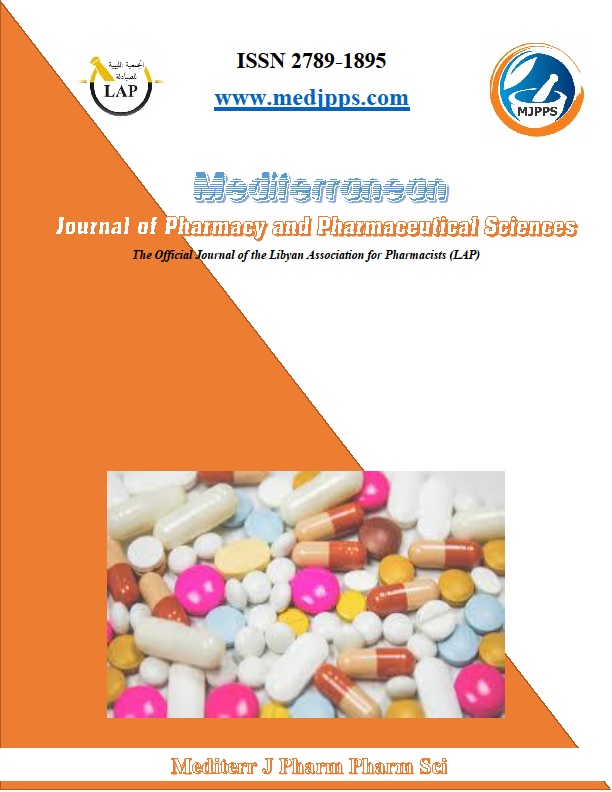
Prevalence of reactogenicity of covid-19 vaccine among libyan adults: a cross-sectional study
The diversity of reactogenicity and its variation in terms of risk and prevalence among populations had raised the need to study and evaluate the reactogenicity of different COVID-19 vaccines in our region. Thus, this study aimed to estimate the prevalence of reactogenicity of COVID-19 vaccines and compare the three vaccines (AstraZeneca-Oxford, Sinovac and sputnik V). An analytical cross-sectional study was conducted using a semi-structured telephonic interview with a sample size of 430 individuals who received one of the included COVID-19 vaccines (AstraZeneca, Sinovac or sputnik V) and were recorded at one of the vaccination centers' records that were affiliated with Aljamail Department of the National Centre for Disease Control, Libya. 410 Libyan participants met the inclusion criteria and were enrolled in the final analysis. The study has shown that 57.3% (CI 52.7-62) of the participants had at least one reactogenic event. Pyrexia (40.7%), headache (27.3%) and fatigue (19.5%) were the most common reactogenic events. In conclusion: the study found that reactogenic events were mild to moderate and the COVID-19 vaccines were safe and encouraged our community to be vaccinated. However, prospective studies with larger sample sizes, longer follow-up and inclusion of important laboratory parameters such as IgG and IgM immunoglobulins are recommended to better understand the relationship between the reactogenicities of COVID-19 vaccines with immunity system development and the factors associated with it.
 Mediterranean journal of pharmacy and pharmaceutical sciences
Studies on reproductive organs and morpho-anatomical features of leaf and stem in three traits of vinca rosea l.
Periwinkle or Vinca rosea L. has medicinal importance with three phenotypes i.e., Pink, Red eye and White. The present investigation distinguishes the three traits i.e., white, pink and red-eyed flower-bearing traits of V. rosea based on morphology, palynology, pollen grain germination and study of anatomical features of leaf, stem and variations in parts of the flower. The results revealed that significant differences were recorded in stomatal frequency, stomatal index, size of the petals, pollen viability and pollen germination. The highest per cent viability appears in pink flower-bearing plants (98.8%) followed by red-eyed flower-bearing plants (34.3%) and White flower-bearing plants (34%). Similarly, the percentage germination of pollen grains is high in pink flower-bearing plants (98.1%) followed by red-eyed flower-bearing plants (33.3%) and white flower-bearing plants (33.3%).
 Veerabhadraswamy al
Normal cell differentiation potential of cancer stem cells without reprogramming pluripotent factors: a novel strategy in stem cell-based therapy for tissue regeneration
Stem cells hold great promise for tissue regeneration and have the potential to treat many incurable degenerative diseases. Cancer stem cells (CSCs), or cancer initiating cells, have the ability to self-renew and differentiate into heterogeneous lineages of cancer cells. Current stem cell therapies face limitations, such as limited stem cell sources, time consumption, tumor formation, and immune rejection upon allogeneic transplantation. Allogeneic stem cell treatments simplify stem cell manufacturing and reduce transplant time, but their therapeutic potential is limited by human leukocyte antigen (HLA)-matched donors. CSCs retain characteristics essential for tissue regeneration. However, several limitations hinder cancer stem cell reprogramming with pluripotent factors. The development of 3D culture models for tissue imitating extracellular matrix in cancer cell lines aims to enhance CSC enrichment. This mini-review focuses on a new strategy for treating incurable degenerative diseases involving in vitro and in vivo 3D cancer models and the induced differentiation of CSCs into mature normal cell types. This allows tissue survival without immune rejection and offers a safe alternative to cancer stem cell reprogramming with pluripotent factors. In conclusion, preservation and banking of allogeneic CSCs offer an alternative, readily available, and safe strategy that can be used to facilitate stem cell-based cell therapy.
 Josita alloysius
Vendors on the streets: their situation and issues (with special reference of lucknow district, uttar pradesh)
Vending on the street is a worldwide fact and the most able to be seen component of the casual economy. Street vending, like other informal sectors, is characterised by low pay, ease of entrance, self-employment, and a huge number of individuals. Millions of individuals make a livelihood selling a variety of products and services on the street in cities and towns all over the globe. Despite the popular assumption that street selling would decline as the economy improves and wealth rises, it is on the rise in many areas. Because of their poor level of education and abilities, street sellers are often individuals who are not capable to get usual employment in the remunerative recognized sector. They attempt to address their financial issues by relying on their own limited financial resources. They are primary sharing route for a wide range of the daily-use goods, such as fruits, vegetables, ready-to-wear clothes, home appliances, stationery, toys, newspapers, magazines and shoes among others. If they be removed from the urban marketplaces, it would create serious problem for vegetable and fruit growers and small-scale businesses that couldn't afford to sell their goods via the formal sector's costly distribution networks. The significance of this industry can not be overstated, particularly given the government's inability to offer employment to India's millions of jobless and underemployed citizens. Even the corporate sector can only absorb a small part of our growing workforce. Overall, employment in the official sector is decreasing, leaving the majority of Indians to fend for themselves. If governments wish to decrease unemployment and poverty in our nation, they should support people in the informal sector to develop and thrive. They play an important part in the economic development and growth of local economy. Municipal authorities see street sellers as nuisances and the encroachers on sidewalks pavements and they are unappreciative of the important services that the street vendors offer to the world's common public. Vendors on the street offer essential services to urban people while surviving on their own business, limited resources, and labour. The state government and municipal authorities have been asked to provide security for street sellers so that they may make a living without fear.
 Dr. amarjeet singh
Strategic marketing - blog entry
Marketing refers to the actions that elevate customer value by motivating them to purchase the organisation's products or services (Kusumadewi, 2019). An organisation with strong capabilities must exhibit strong marketing capacities to effectively introduce its offerings to new markets (Lee and Falahat, 2019). Marketing strategies are part of an organisation's corporate strategy, which refers to the set of choices an organisation makes to develop and capture value across its business over time. As corporate strategy essentially drives financial performance (Sull et al., 2018), effective marketing strategies must be selected to ensure the organisation's attainment of objectives and long-term success.
 Zamzam abdelazim
Most Popular Category
- Pharmacy (270)
- Education and social science (224)
- Pharmacology (223)
- Pharmacognosy (178)
- Business management (147)
- Pharmacology and toxicology (134)
- Education and training (131)
- Pharmaceutical sciences (130)
- Medicine (129)
- Research (123)
- Health Science (100)
- Biological Sciences (99)
- Management (98)
- Computer Science (93)
- Public health (91)
- Computer Science Applications (86)
- Human resource management (83)
- Engineering (77)
- Accounting and finance (73)
- Information technology (69)